

You finish a day of therapy sessions and finally check your messages. There are calls to return, appointments to schedule, and emails that have been waiting since morning. By the time you reach a prospective client, they may have already booked with someone else. For many practice owners, this is a familiar challenge. Providing attentive care takes time, and so does keeping a practice running.
In this episode of The Practice of Therapy Podcast, Gordon Brewer talks with Di Luden of Ubuntu Freelancers about how virtual assistants can help close that gap. From answering intake calls to organizing an overflowing inbox, Di shares practical ways to get support and reduce the mental load of managing a practice.
Meet Di Luden 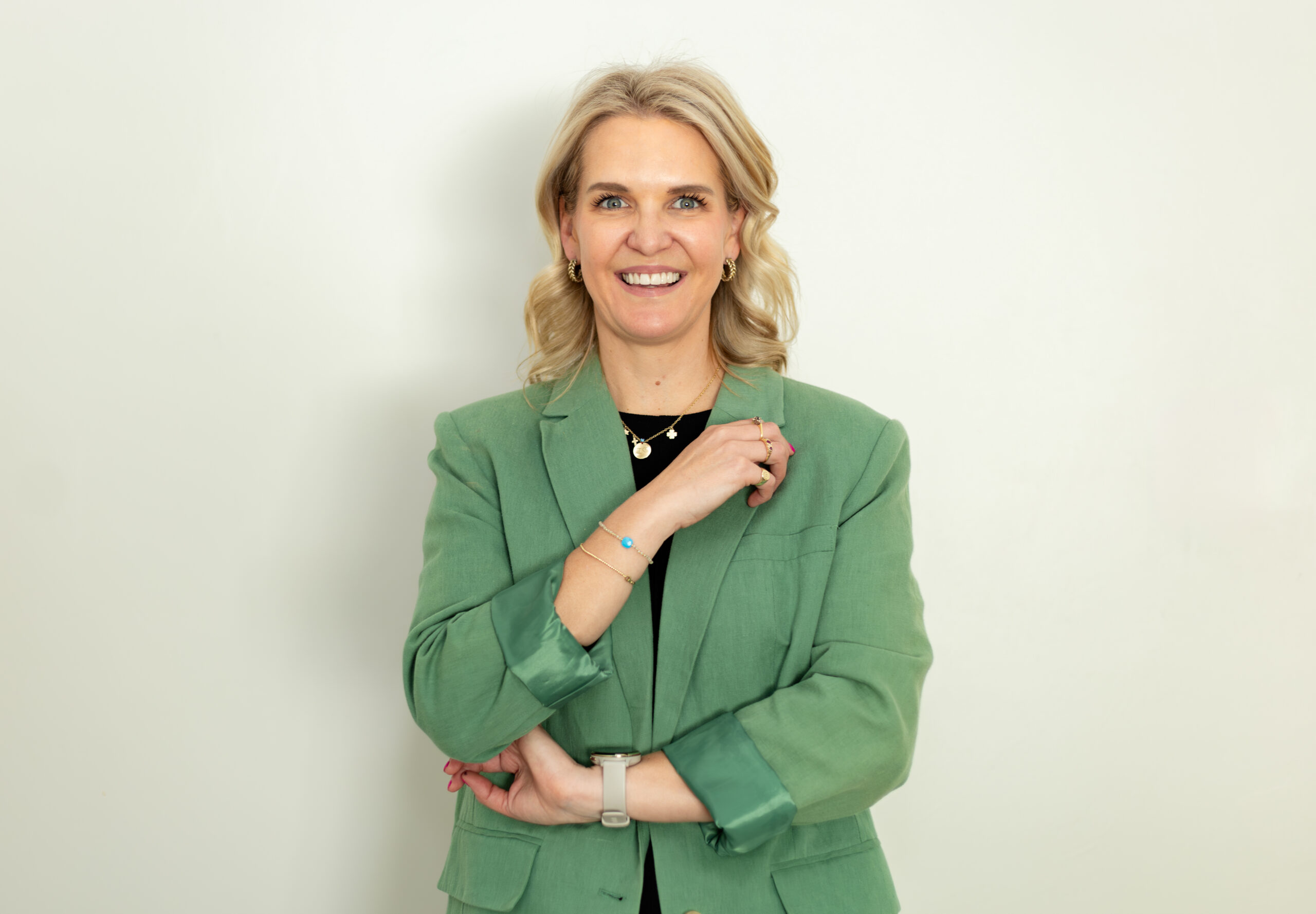
Di Luden is the co-founder of Ubuntu Freelancers, a South African company connecting talented remote professionals with US mental and behavioral health practices. Passionate about people, community, and creating meaningful career opportunities, Di helps practice owners build reliable, long-term support teams so they can spend less time on administration and more time doing what they love.
The First Phone Call Matters
Reaching out to a therapist can feel intimidating. When someone calls your practice, having a person available to listen, answer questions, and explain the next steps can help them feel comfortable moving forward. Di explains that when calls go unanswered, prospective clients may simply try the next practice on their list.
An intake coordinator can give those conversations the attention they deserve while clinicians focus on sessions. That support can also include following up with inquiries, identifying openings in the schedule, and helping prospective clients find a suitable appointment. These tasks are easy to put off when your day is already full, but they shape a client’s first experience with your practice.
Connecting South African Talent With Therapy Practices
Di’s company grew out of her desire to help talented people in South Africa find meaningful, long-term employment. As she learned more about American therapy practices, she saw a need for dependable administrative support and an opportunity to connect the two.
Ubuntu Freelancers works with both solo and group practices. Di describes a process that includes screening, training, and ongoing support to help virtual assistants understand the environment they are joining. Before placement, team members learn about working in a therapy practice and receive training on the software and procedures their client uses. Practice owners can also share existing processes and call scripts to help prepare their assistant.
Helping a Virtual Assistant Become Part of Your Team
A successful working relationship takes communication and familiarity. Di encourages practices to include their virtual assistants in team meetings and help them get to know the clinicians they support.
That connection is particularly valuable during intake. An assistant who understands each clinician’s specialties and approach can help prospective clients find an appropriate match. Regular communication also makes it easier to ask questions, resolve confusion, and identify where a process could improve. Di emphasizes that assistants do their best work when they feel included in the practice and have access to support.
Getting Started When You Feel Too Busy to Train Someone
One of the biggest objections Di hears is that practice owners already have too much to do. Finding time to explain their work to someone else can feel like another task they cannot fit in.
Her suggestion is to begin with a process you already perform. Walk your assistant through the steps and have them draft a standard operating procedure based on your explanation. You can review it, add anything you missed, and refine it together as they begin doing the work. This gives you a starting point without requiring you to write an entire training manual before hiring help.
Over time, the person handling a task may also notice ways to improve it. Gordon points out that being open to those suggestions can help practice owners discover a more effective approach than the one they have always used.
Choosing What to Delegate First
If you are unsure where to begin, Di suggests making a list of the tasks you dread or regularly postpone. Recurring responsibilities are another good place to look. Calendar management, inbox organization, and tracking administrative deadlines can all take up more time and attention than you realize.
Gordon recommends doing a time audit. For a day or several days, write down what you work on and how long each task takes. Reviewing that list can help you see which responsibilities need your attention and which could be handed off. You may even find tasks you enjoy that are taking time away from other priorities in your practice.
The Relief of Having Less to Keep Track Of
Di shares a story about a practice owner who hired a virtual assistant for 10 hours of support. He told her the value felt closer to 20 hours because of how much mental load had lifted along with the work.
That experience captures something many practice owners recognize. An unanswered email or an approaching deadline can stay on your mind long after you leave the office. Having someone help manage those details can make it easier to finish your day without continually running through everything you still need to do.
Building a Practice With Support
Di explains that Ubuntu means “I am because we are,” a principle that reflects how she views the relationships between her team and the practices they serve. Her assistants gain meaningful employment, and practice owners gain people who can help them care for the business behind their clinical work.
If administrative tasks are piling up, start by noticing where you need help most. It might be answering inquiries, keeping your calendar organized, or following up on the tasks you keep moving to tomorrow. Identifying that first responsibility can make bringing someone on feel more manageable.
Gordon Brewer: Well, hello everyone, and welcome again to the podcast, and I'm really happy for you to get to know today Di Luden. And Di and I got to meet at the Wise Practice Conference, and she's a new friend for me, and so I've really enjoyed getting to hang out with her and learning about what she does. So Di, as I do with everyone, tell folks a little bit more about yourself and how you've landed where you've landed.
Di Luden: Yeah. Awesome, Gordon. Thanks so much for having me, and I feel really privileged to have got to- Mm-hmm ... got to meet you earlier this month. Um, so I am from South Africa, I think you can probably tell by my accent. Yeah. Um, and I have a company which is an outsourcing company for virtual assistants that work specifically with American behavioral and mental health clients.
Our business started about five years ago, but we niched specifically into working into the mental and behavioral space about 18 months ago when we realized that there was so much opportunity for us to really run the back office of a therapy practice. In South Africa, we have incredible talent English as a first language, most people highly educated, but one of our biggest issues is that we have a 33% unemployment rate.
And so we have this group of talented individuals who are unable to find employment in South Africa. And so over the years I have had this idea of how can we help South Africans to gain meaningful long-term employment? And that is how I came across the therapy space and found that on a different side of the world, there was a group of people who were really struggling to find admin who would stay long-term.
They were really struggling to find admin who would integrate into their teams and really become a part of their business. And so there was just this bridge very special bridge that our business could create by offering the clients what they need and offering the people in South Africa the jobs that they so desperately need.
Gordon Brewer: Yes. Yes. And it's a, you know, and I, I tell folks all the time when I'm consulting with them, and particularly for people that are maybe newer to private practice or, uh, really their practices are starting to grow and they really are find that they're spending a lot of time returning phone calls and setting appointments with people and all of that sort of thing.
And one of the, one of the, the quickest ways that they can, not only maximize their profits but also just take a lot of workload off of themselves is to hire someone to do that part of things, particularly the setting appointments following up with people, and even, even just doing other admin things that are just time-consuming that they can hand off to other people
Di Luden: Exactly that.
So I think the statistic is that 72% of adults who are calling in to book a medical appointment are calling, so they are using a phone to call to make their appointments. And a lot of the time in, in a practice, if you are scaling and growing, you might not have someone on the phones all the time, and that is such a, it's such a easy way to lose business because if someone is phoning and they're not able to get hold of you, they might just try the next person on the list.
So one of the main sort of gaps that we try to fill is this live phone answering. And obviously, you know, we're in this world where there is AI and automation is really starting to, to take over the space. Um, we are bringing the human element to this. And to be able to answer that phone call, to make the client feel heard and understood, make them feel like, yes, they've come to the right place someone is going to help them get them scheduled in and really work on that conversion rate, make sure that the, the practice's conversion rate is really high.
And help to look and see, okay, you know, we've got a few gaps coming up next week, how can we fill that in? All of these, like, just really small, very simple things that an admin can take care of are often things that a very busy practice owner doesn't have time. They, by the time they see it, it's almost too late.
And so we try to provide the support where someone is coming in and they just have a bird's-eye view into your business, and they are able to not only answer the phone, but they're able to see where can, where can they fill some sessions wh- which, which clinician is not getting enough rebookings, which clinician is not hitting their targets.
Anything, compliance documents, making sure that the practice is compliant. All the things that, take up so much time from a practice owner, just by having an admin person there to take that off of the practice owner is, the mental load relief is sometimes obviously huge. Um-
Gordon Brewer: Right ...
Di Luden: not to mention the financial benefit of i- if the conversions are higher.
Gordon Brewer: Because, uh, yeah, if you're spending time in your practice doing all of those things that Di just mentioned, then you're probably losing money. It's not a good use of your time as the, as a clinician or, you know, even as a practice owner. That, being able to hand that out and outsource is just a huge, um, boost.
Numbers-wise yeah
Di Luden: Absolutely
Gordon Brewer: Yeah. So tell, walk us through kind of your process and how you, maybe how, how you on- onboard new people and just how you go about setting things up, particularly doing it all virtually, and also- Mm-hmm ... across, halfway across the world, so to speak. Yeah.
Mm-hmm.
Di Luden: So we have a, a unique process in that I am very much a part of you know, how can we make this work long-term, and what can we do to support our team in South Africa so that they are a success for their clients in the US? So from the back office side, so from the South African side, we do skills testing, we do background checks, we do credit checks on everyone that comes through our doors.
Once they pass all of that, they then do a HIPAA certification. Once they are through that, we have an academy. We've called it the Ubuntu Academy. So just a little caveat there. So our name is Ubuntu, but it's, it's said "yo-bantu," and I'll come back to that, but so we have the Ubuntu Academy, and inside the academy is what does working inside a therapy practice look like?
What are the types of positions that you might be working with? Um, what is a day in the life of a clinician? So we have really a full holistic picture of the industry that you are going to be walking into. And then we also have all of the techs. We've invited certain suppliers to the industry to come and do a expert session for our team.
We record those. We then get all of their training materials. We upload it into our academy so that everyone has access to that. Now, on the client side, a client comes to me and they say they would like to hire an intake coordinator. They use SimplePractice, and they use TheraSaaS. How who's available?
The, the very positive side is that we have an almost 0% staff turnover. The negative side is that it means that majority of our team don't have experience. So- Mm-hmm ... at that point, a client says, "Yes, please, I want to hire this person," and we then use our internal training team to train that person up in TheraSaaS and in SimplePractice so that by the time they reach the client, they understand the softwares and what they're going into.
We als- so we ask for two weeks to do that. We also ask the clients to share any of their SOPs. If they have any of their, um, you know, call sheets that they want someone to learn, we receive those, and we use the two-week training with our team to train the person up to join their practice. They then join their practice, and the practice has- Direct access to our training team so that they can say, "Hey, this is amazing.
The person seems to have a good grasp of this, but we're really struggling with the billing side. Would you mind just giving them a little bit of extra training there?" So essentially, we're offering this really tailored service where you have someone coming into your team, they have been trained with your, uh, systems and protocols before, and then you have this sort of concierge service, um, where we, we hold your hand until the person is fully onboarded.
Mm-hmm. Similarly, we also have this community where we have, we currently have 89 virtual assistants and, um- Wow ... they are in our community, and we encourage them to ask questions in the group. So if they join in a practice and the practice says, "Hey, we don't use a CRM, but we're really looking to bring one on.
Do you know anything about it?" They can pop a question in our questions group and say, "Who's used what? How does it work?" And we help each other. Or, "We're looking to update our SOP on how to schedule a client. Does anyone have any notes that they can share?" And people will share that.
Obviously, removed, there'll be no confidential information or, or practice information shared, but we encourage sharing so that- Mm-hmm ... every practice owner is really getting really benefit from our team. So that's the service that we provide and sort of how it looks from both
Gordon Brewer: sides. Yeah. Wow.
Yeah. And, and what I love about it is that each practice is individualized it sounds like- Yeah ... as far as, d- whatever, whatever software platforms or whatever that a person, you know, a practice is using, you, you just adapt to that.
Di Luden: Absolutely. And I think what our current clients love is that if there's any issues, they have access to our leadership team, and they literally say, "This, I'm a bit concerned about this.
Are you able to jump in?" You know, we had a client a few weeks ago that said, "Di, I know you said that you would be able to support us if we were unhappy with something. I'm unhappy with this. Can you help me?" And she gave me feedback a week later, and she just said, "Wow, I, I can't believe how reactive you were, how positive the team member has taken it."
But that is because we've got such a great relationship with our VAs. We, you know, we are so communicative within our own community that no one is feeling, i- if they need a little bit of extra training or they need a little bit of extra help, it's not feeling like a failure. It's just feeling like, hey, we really wanna set you up for long-term success, so let's look at how we can do this.
And I think that's what's made our community very special, and that is transferring into our clients because our clients- Mm-hmm ... are obviously receiving the benefits.
Gordon Brewer: Do, um, do, typically when you have a VA for a practice, is that usually the only person that's working with the practice?
I guess it would depend on the size of the practice as much as anything, but how does that work as far as-
Di Luden: Yeah,
Gordon Brewer: so, um- ... do you have a few people?
Di Luden: Yeah. So, uh, it depends on the practice, entirely on the practice, what they are looking for. We work with solo practices. We also work with really, really large group practices.
Our largest group practice to- today has 16 intake coordinators that they hire through us. But then we might have some clients who will have an intake coordinator through us and then, like yesterday I got an email from a client to say, "Hey, intake coordinator's going so well, we would now like to bring someone in to help with marketing."
And then, you know, someone, a- another client has said to us, "Intake's going so great, we want someone to help with billing." We don't market ourselves as billers. We are not gonna compete with the, the billing market. But we have really skilled bookkeepers. And so that client, because she knows us, I said to her, "Hey, I've got this bookkeeper.
If you are able to train her, she'll be able to do the job." And so she has gone into the practice and is doing a phenomenal job. If you understand bookkeeping, billing is, is a lot easier because you know how to chase the debtors and, you know. So we, we place intake coordinators as sort of the majority of what we do, but we also do operational like a practice operations manager.
We can do social media. We can do a bookkeeping side of it. Anything basically that you need for your practice to run on the back end, we can do. Anything administrative on the back end, we can do from here. And we have a lot of guidelines for our clients of how to integrate those team members into the practices.
So, you know, we encourage the team members to be invited to all the team meetings. We encourage them to be added onto the organogram. We encourage them to be connected with all the clinicians so that everyone knows who everyone is, and for them to really feel a part of the team. And that, we feel, is where the most success comes, is when our team really become part of the, the practice's team.
Gordon Brewer: And I would think that would help as well as terms of, um, when someone calls in, particularly if it's a group practice and they're looking for a specific type of therapist or help with a specific issue, that kind of thing, of knowing each clinician's kind of niche or specialty, I would think that helps a lot with that.
Di Luden: So that's exactly it. Um, and that's why we encourage it because if the intake coordinator knows the clinicians and they know the types of people that they're really good with a, a successful intake coordinator is placing a client with the right clinician. And, um, and so that is one of the biggest things that we do is to make sure that people really understand each other so that they can do a, a really good job.
And we find that our team will also say "Oh, today I had such a great day. I've made friends with the billing team," or so... And we really encourage that everyone communicates with each other really well and openly-
Gordon Brewer: Mm-hmm ...
Di Luden: um, in order for it to be super, super successful.
Gordon Brewer: Yeah. Yeah. With working with a VA, a lot of times one of the things that people will say is, "Well, I don't know that I could train them to do exactly what I do," kind of thing as far as, yeah, which I think is a myth because what I've found is that, um, when I have, hired people for different things like that, the way that I think it should be done might not be the best way.
And even though it's my way of doing things, they might even end up doing it better. And so it sounds like with a lot of your people they're really kind of specialized in things like, um, marketing and just knowing how to, uh, keep you know, d- I- in many ways being a salesperson of, uh, of with you know, somebody calling in and then completing-
Completing the booking- Mm-hmm ... and making the appointment, that kind of thing. Yeah.
Di Luden: So I think if someone's looking to hire a VA two probably of the, the biggest questions or the biggest sort of resistance, one will be I'm nervous of hiring someone offshore. You are really far away. H- how can I trust you?
So that is something that's a resistance that, that we feel. We try to mitigate that by helping our clients understand, you know, create an email password, have a password vault. Fo- we have a whole setup of we suggest this in order to, to start slow until you grow and gain trust in the person that's- Mm-hmm
working with you. Mm-hmm. So that's probably one of the biggest resistors. And then the second one is I'm so busy, I don't have time to train a VA. I don't know how to bring someone on because I just have too much on my plate. And to that, my rebuttal is that bring someone on, show them what you are doing, let them record that session.
Let them just record even as you're talking, you know, just brain dumping. Let them record all of that. As you show them, "This is how I usually do an intake. These are the steps that I follow," they can take that then, they can turn that into an SOP for you. They can send it back to you. You can review it, "Yes, these are the steps.
Oh, when I was showing you, I forgot to include this. Can you add that?" And then you refine it over time. And then the VA can follow that process and they can come back to you and say, "Hey, I think if we had to skip this step, we would actually be able to sign the clients quicker." Or, "If we had to include this step, I think we would make the clients feel like we were really caring about their questions."
And so they will then start to, once they've used it, they will then start to s- make suggestions to you of how to make it better. Mm-hmm. And a lot of those suggestions might come from them just doing the job and understanding it and, and being the person that's doing it so you know it the best.
Gordon Brewer: Mm-hmm ...
Di Luden: but some of it might come from our internal training where, we get experts, they come and they give us all, all sorts of- trainings on certain things and, and maybe one of our VAs sitting in a training and there's a training on how to make the perfect intake call and, um, they can bring that information back to you and say, "Hey, we had this call.
Should we try it? Should we not?" And I think, um, that's kind of a, it's a unique offering that, that we offer- Mm-hmm ... at Affordable to Freelancers.
Gordon Brewer: Yeah. Yeah. I would think another thing that you all could be very helpful with and I know this was an issue for me early on, is just, um, as your practice grows, just feeling overwhelmed with all the little different things that you're doing and then getting to a place where you just feel totally unorganized and things are falling through the cracks.
And it might not be necessarily intake coordinated, but other tasks you know, just, um, being able to get caught up on things that you're behind in, whether it's, you know, a marketing campaign or, you know, just organizing files and all of that kind of thing. I would think that would be-
Di Luden: Exactly. Even your emails.
I think sometimes- Mm-hmm ... an inbox can be one of the things that, you know, every time you open it, you want to cry because there's so many things that- Mm-hmm, mm-hmm ... you've got to respond to. And we train our team to be able to open that inbox, create some folders for you when you know that when you can come in, there's a folder called Urgent Action Now, and you know that you need to action these things today, and that's all you need to worry about.
Mm-hmm. Um, and your VA can reply to some of your emails. How we suggest that in the beginning is that they read how you have responded in the past so they get to understand your language, how you speak. You know, do you use exclamation marks? Do you put smiley faces in your emails? They get to understand your tone, and then they can start responding but just leaving them in your drafts and then they say- Mm-hmm
to you, "Hey, I've done some responses. Don't you wanna review them? If you're happy, you can press send." And just something like that, just taking that very mundane task of responding to people can often make you feel, "Oh my gosh, I, you know, I've, I've gained some hours." I think I use this example really often, but one of our clients who hired a VA for 10 hours, I saw him at a conference I was at in May and he said to me that he's paying for 10 hours, but he feels like the value he's receiving is 20 hours because it's 10 hours of actual work- Mm-hmm
but it's 10 hours of mental load that's just evaporated. Right. And that has you know, it's, it's just been a game changer for him. So yes, it is. It's emails. It's managing your calendar. It's managing you know, CE credits. It's managing you know, any compliance documents that, that you need to just know when are these expiring, what do I need to do, Anything around that is if you can just get someone to help you with that, I think as anyone, clinician, practice owner, human being, your- Right
your life already feels a little bit better .
Gordon Brewer: Yeah. It, that's, uh, you're exactly right. I mean, it's just, um, I think, too, any, any sort of task that, um, we kinda dread doing or we just don't enjoy doing, I think being able to hand that off to a VA is one of the most helpful things you can do for yourself, and I think that's-
Di Luden: Absolutely.
Gordon Brewer: Yeah.
Di Luden: I often say to people if you, if they don't know where to start, make the list of the things that you dread doing, that you procra- procrastinate doing, because that's a good place to start. Mm-hmm. Anything that's repeatable, anything that you do every single month repeatedly, that's another good place to start.
Gordon Brewer: Mm-hmm.
Di Luden: Or anything that you do and you enjoy it, but you really shouldn't be doing it, because you should be doing something that's gonna make your business money. That's another thing to put on your list.
Gordon Brewer: You know, one suggestion I have for folks, and you can s- maybe speak to this too, Di, is, um, you know, if you're feeling overwhelmed with everything that you're doing, I think it's a good idea to do, like, a time audit where you just look at how you're spending your time every day and just, you know, just simply jot down, okay, I spent this much time on this and this, and, you know, maybe spend a day or, however many days doing the time audit, and then you could hand it over to Di, and they could help you organize that and say, "Okay, we can help you with all these different things and, and move you, move you in a new direction with all of that."
Di Luden: That's an excellent idea. I recommend that too. It's, it's re- and I think it's kind of scary. Most people look at it and go, "Oh, my word. Was this re- Mm-hmm ... is this really where I'm spending my time?"
Gordon Brewer: Yeah,
Di Luden: right, right. You, you quick, you quickly realize that you're not spending enough time on the things that make you money, and you're spending- Yeah
way too much time on the things that, that, uh- Yeah ... don't make you money.
Gordon Brewer: Exactly. Well, Di, I, I n- know I've gotta be respectful of your time, and this has been a great conversation and, uh, as always, I enjoy just connecting with you and just having, um, learn more about you and your life and all of the things that you're doing.
But tell folks a little bit about the name of your company and how you came up with that, because I think that's a fascinating story.
Di Luden: Yes. Um, like I mentioned earlier, it is said Ubuntu, but it is spelled UBNTU. And, um, in South Africa it is a very, very powerful saying, and it means I am because we are.
And South Africa has a really terrible political history, and, um, when Nelson Mandela came into power as our president, he came out of jail and he stood up and he said, "We are Ubuntu. We can be great if we are all great together." And that really embodies who we are as a company. I always say to my team, I wouldn't have a business if it wasn't for them, because they are the ones that are providing the support to our clients.
And similarly, our clients can succeed because we exist. So I just... it really is, it embodies who we are, what we believe in and it, it's truly a South African heritage, which obviously feels very special considering everyone is from South Africa.
Gordon Brewer: Right. Yeah, I love that. I love that. Well, tell folks how they can get in touch with you and connect and learn more about Ubuntu.
Di Luden: Awesome. Yes, we have a website. It's called ubntufreelancers.com. We are also on LinkedIn, we are on all the social media platforms. And if you wanna get in touch with just me, it is Di, said D by, by a lot of people, so just D-I and then L-U-D-E-N. And that you can find me on LinkedIn. And I would love to connect with anyone.
So Gordon, thank you so much for having me.
Gordon Brewer: Yes. And we'll have links in the show notes and the show summary for people to access that easily. And Di, I'm sure we'll have you back on the podcast here before too long. Thanks for joining me.
Di Luden: Thank you. Bye, Gordon.
Being transparent… Some of the resources below use affiliate links which simply means we receive a commission if you purchase using the links, at no extra cost to you. Thanks for using the links!
Di Luden’s Resources
Website
LinkedIn
Resources
 Practice of Therapy listeners can try Cora FREE for 60 days with code GORDON.
 Use the promo code “GORDON” to get 2 months of Therapy Notes free.
Subscribe to our YouTube Channel
Start Consulting with Gordon
Listen to other great Podcasts on the PsychCraft Network Today!
Google Workspace (formerly G-Suite) for Therapists Users Group on Facebook
The Course: Google Workspace for Therapists
Follow @PracticeofTherapy on Instagram
Meet Gordon Brewer, MEd, LMFT
 Gordon is the person behind The Practice of Therapy Podcast & Blog. He is also President and Founder of Kingsport Counseling Associates, PLLC. He is a therapist, consultant, business mentor, trainer, and writer. PLEASE Subscribe to The Practice of Therapy Podcast wherever you listen to it. Follow us on Instagram @practiceoftherapy, and “Like” us on Facebook.